

A long driveway, multiple access points, detached buildings, household staff, and changing daily schedules create security gaps that an alarm alone cannot manage. Estate guardian placement addresses those gaps with a professionally trained dog selected for the property, the people who live there, and the level of protection required. The objective is not simply to place a large dog behind a gate. It is to establish a controlled canine security presence that is stable around the family and serious when a real threat appears.
What Estate Guardian Placement Should Deliver
A properly placed estate guardian is an active deterrent, an obedient companion, and a capable protection dog. Those standards must work together. A dog with strong defensive behavior but weak obedience creates liability. A friendly dog with no confidence under pressure may be pleasant company, but it is not a security asset.
The right dog recognizes normal life on the estate. It must remain composed around children, invited guests, vehicles, deliveries, household employees, maintenance teams, and other animals. At the same time, it must have the nerve, clarity, and training to respond decisively when its handler identifies a genuine problem.
This distinction matters. Estate protection is rarely about constant confrontation. It is about control, awareness, and a dog whose presence changes the calculation for anyone considering unauthorized access. The best guardian remains calm until needed, then performs without hesitation or confusion.
Start With the Property, Not the Breed
Buyers often begin by asking whether they need a German Shepherd, Belgian Malinois, Doberman, or Rottweiler. Breed matters, but the estate itself and the family routine matter first. A dog must suit the working environment it will enter.
A compact urban residence with a private courtyard calls for different handling and management than a rural property with acreage, barns, perimeter roads, and several structures. An executive who travels frequently needs a dog that can transfer reliably to a spouse, family member, or designated household handler. A family with young children needs exceptional environmental stability and clear boundaries from the beginning.
The initial assessment should consider where the dog will rest, how it will be exercised, who has access to the grounds, and how visitors are managed. It should also identify weak points such as remote gates, poor exterior lighting, exposed service entrances, or areas where staff and contractors regularly enter. A guardian dog can reinforce a security plan, but it should not be expected to replace trained personnel, secure fencing, access control, or sound household procedures.
Selecting the Right Guardian Dog
The strongest candidate is not always the fastest, hardest, or most visually imposing dog. For estate work, the priority is balanced capability. The dog needs sound health, proven nerve, advanced obedience, clear social behavior, and authentic protection training.
German Shepherds are often selected for their versatility, trainability, and natural authority. Belgian Malinois can offer exceptional speed, intensity, and precision for experienced handlers who can maintain a structured routine. Dobermans provide an unmistakable visual deterrent and can be highly devoted family guardians. Rottweilers bring physical presence, power, and a steady guarding character when responsibly bred and trained.
The individual dog is more important than a breed label. A qualified trainer should evaluate the dog’s behavior around neutral strangers, unusual surfaces, vehicles, noise, confined spaces, and controlled pressure. The dog should demonstrate engagement with its handler, immediate response to commands, and the ability to return to a calm state after work. Recovery is as important as intensity. A guardian that cannot settle is not fully under control.
For families, the most valuable trait is a stable off-switch. The dog should be capable of moving from a perimeter walk or protection exercise to resting quietly in the home. This is what separates a working protection dog with real household value from a dog that is merely reactive.
Placement Is a Training Process, Not a Delivery
A trained dog arrives with a foundation, but the actual estate guardian placement begins when the dog enters the new environment. New sights, scents, handlers, rules, and routines affect behavior. The transition must be deliberate.
The first days should be structured and low-pressure. The dog needs time to understand its living area, exercise schedule, feeding routine, and primary handlers. Introductions to family members should be controlled. Staff, frequent visitors, and other pets must be introduced with clear rules rather than casual exposure.
Professional handler instruction is a critical part of placement. Owners should know how to issue commands correctly, manage the dog around guests, maintain obedience, use equipment properly, and recognize signs of stress or over-arousal. Protection capability has little value if the owner lacks control in everyday situations.
At EurosportK9, placement should be viewed as the continuation of training, not the end of it. A premium dog requires a premium standard of handling. Clear commands, consistent boundaries, and regular work preserve the obedience and confidence that made the dog suitable for placement in the first place.
Set Clear Rules for Staff and Visitors
Large properties commonly involve more people than a typical home. Housekeepers, landscapers, drivers, contractors, caretakers, and guests may come and go throughout the week. The dog cannot be expected to determine who is authorized without direction from the family.
Every estate should have a simple handling protocol. Only approved handlers should take the dog out, give commands, feed it, or use its equipment. Visitors should be announced before entering the dog’s area. Children should never be assigned responsibility for management, regardless of how dependable the dog is with them.
The rules do not need to be complicated, but they need to be followed. Inconsistent handling creates uncertainty. Uncertainty can lead to guarding behavior at the wrong time, reduced responsiveness, or unnecessary conflict with people who belong on the property.
Maintenance Protects the Investment
Advanced obedience and protection training are perishable skills if they are not maintained. A dog does not need to perform high-intensity protection work every day, but it does need regular obedience, structured exercise, social exposure, and clear leadership.
Daily work can be practical and straightforward: a controlled heel through the property, a place command while activity occurs nearby, recall around distractions, and calm loading into a vehicle. These routines reinforce control in the exact environment where the dog is expected to function.
Periodic work with a professional trainer is equally valuable, particularly after major household changes. A new baby, a move, new staff, construction activity, another dog, or extended owner travel can change the dog’s routine. Refresher training keeps commands sharp and gives the trainer an opportunity to correct small issues before they become habits.
Health management is part of security management. Proper nutrition, veterinary care, joint support when appropriate, parasite prevention, and conditioning help ensure the dog remains physically able to perform. A protection dog that is uncomfortable, overweight, or poorly conditioned cannot deliver consistent results.
Know What a Guardian Dog Cannot Do
A professionally trained dog is a powerful layer of protection, but it is not an autonomous security system. No responsible provider should promise that a dog can patrol freely, make legal decisions, or safely engage every situation without direction.
The owner remains responsible for secure containment, local laws, insurance requirements, and safe handling. If the property is frequently used for large social events or commercial activity, the management plan may need additional measures. It depends on the number of people present, the layout of the estate, and how much direct supervision the dog can receive.
The strongest placements are built on realistic expectations. The dog should provide presence, early awareness, obedience, and credible protection under trained control. It should not be put in situations that invite confusion, neglect, or preventable risk.
A serious estate guardian becomes part of the household’s daily operating standard. Select for temperament and proven ability, establish rules before the dog arrives, and maintain the training after placement. When those elements are in place, the dog offers something an electronic system cannot: intelligent, loyal protection that lives with the people and property it is trained to defend.
continue reading
Related Posts
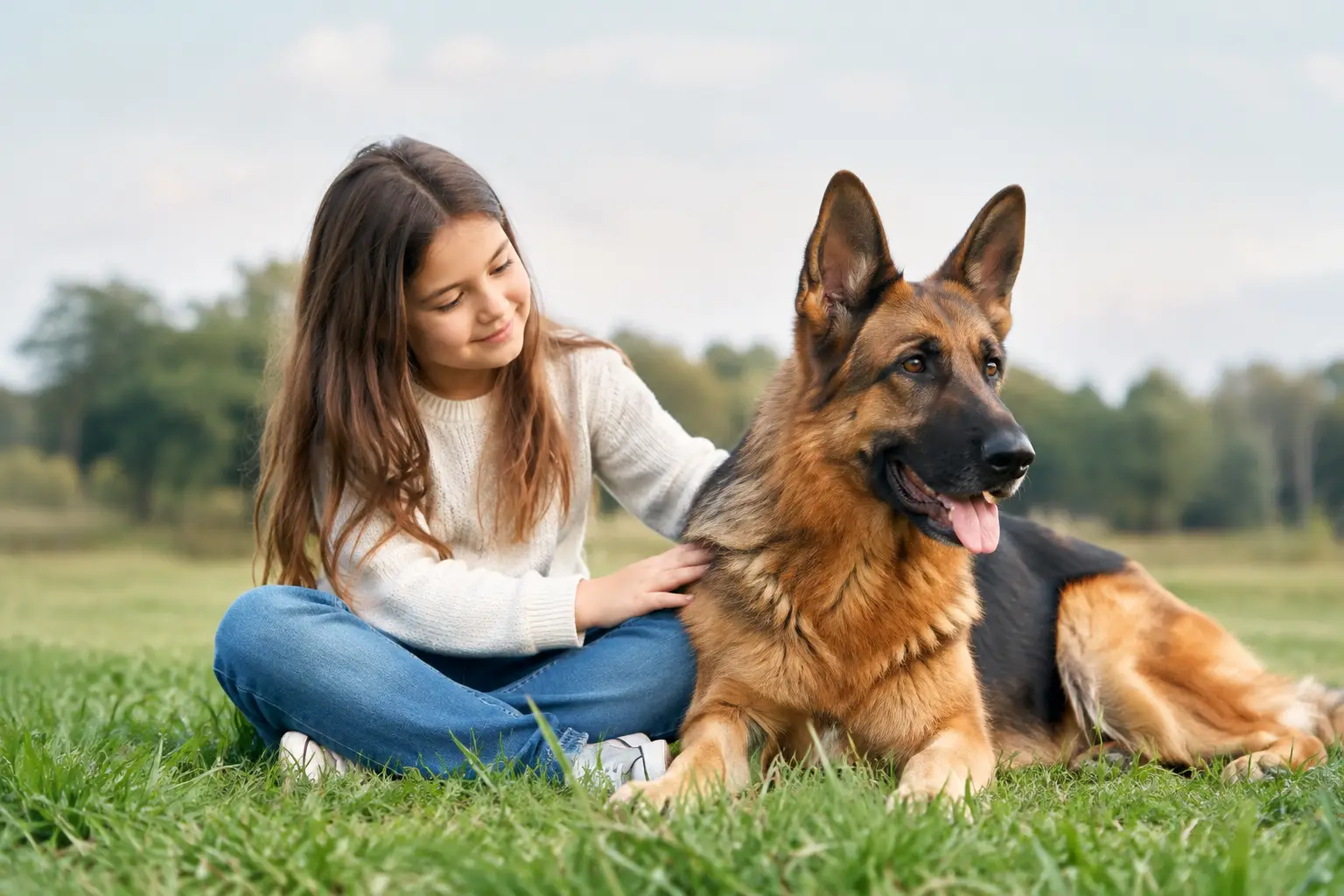
Learn how to prepare children for guardian dogs with clear rules, supervised routines, and professional guidance for a secure, respectful home every day.
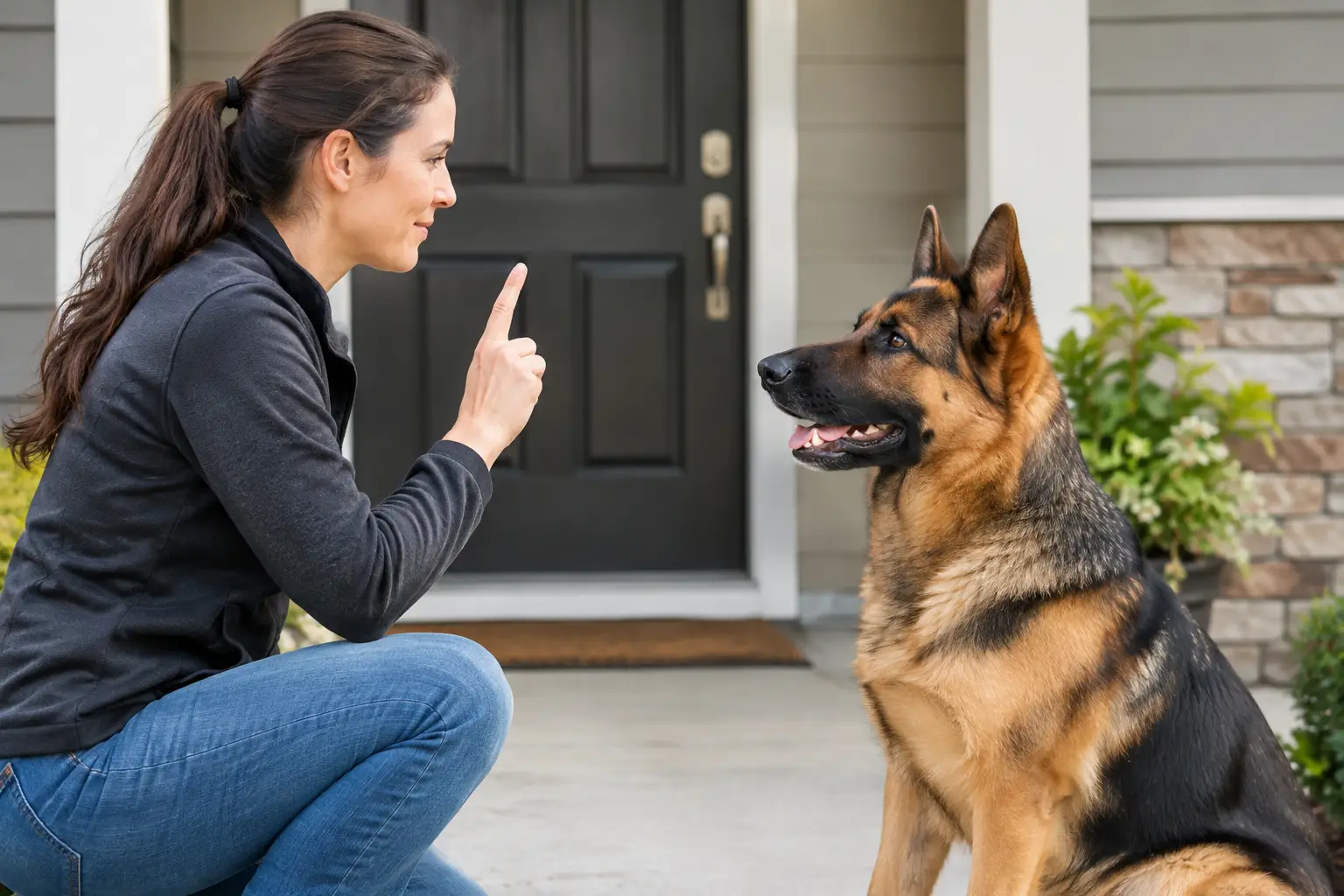
Home security dog commands create control before pressure starts. Learn the obedience, alert, recall, and release standards that protect families safely.
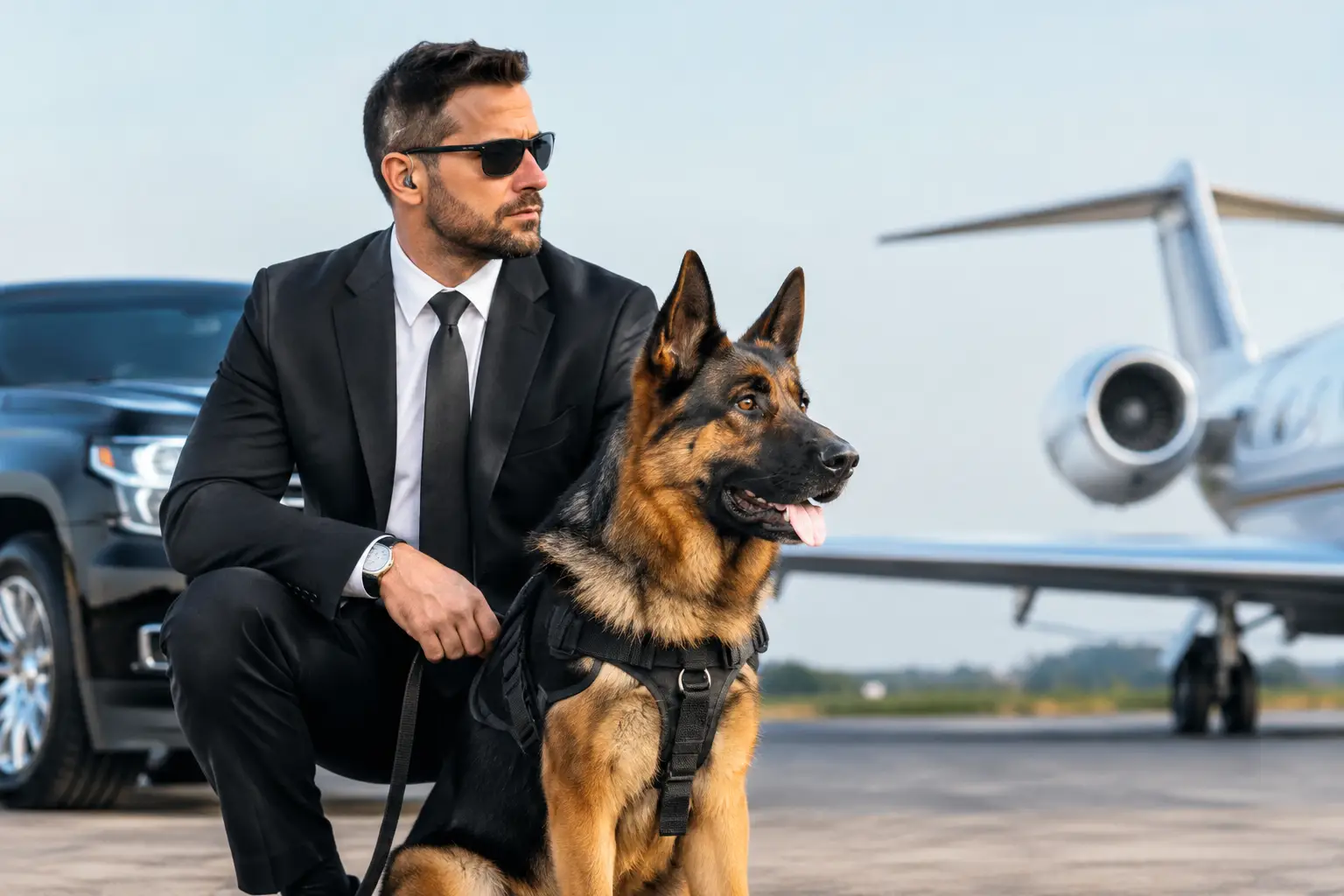
This executive security dog guide explains selection, training, handling, and placement standards for dependable personal and family protection at home.
